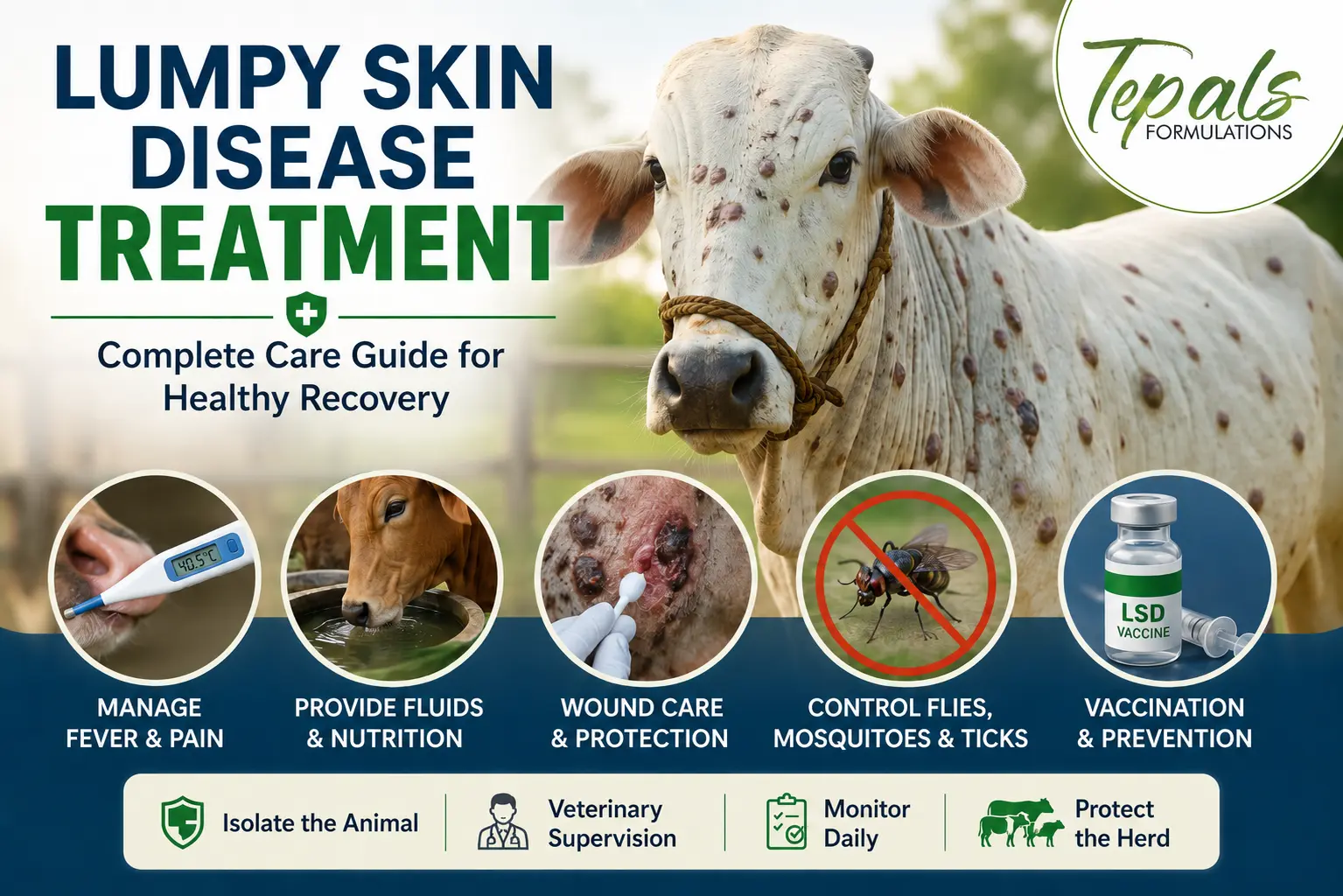
Lumpy skin disease calls for immediate veterinary attention, meticulous nursing, wound management, insect control, and protection of the rest of the herd. The farmer generally wants a single injection or medicine to cure a sick cow. However, lumpy skin disease is a virus, and there is no specific antiviral medicine currently proven to eliminate the virus from an infected animal.
Treatment therefore focuses on keeping the animal comfortable, maintaining food and water intake, protecting damaged skin, and managing complications such as bacterial wound infections, pneumonia, mastitis, dehydration, and severe inflammation.
Early isolation is equally important because mosquitoes, biting flies, ticks, and other insects can carry the virus between animals. Lumpy skin disease does not infect people, but can result in substantial economic losses through reduced milk production, weight loss, infertility, damaged hides, and long recovery periods.
Veterinary note: Do not give antibiotics, painkillers, steroids, ivermectin, injections, or human medicines without examination by a registered veterinarian. The correct treatment depends on the animal’s weight, pregnancy status, hydration, milk production, wounds, and secondary complications.
What Is Lumpy Skin Disease?
Lumpy skin disease, commonly called LSD, is an infectious viral disease affecting cattle and water buffalo. It is caused by lumpy skin disease virus, which belongs to the Capripoxvirus genus.
Signs of the disease include fever, firm skin nodules, swollen lymph nodes, swelling, watery eyes, nasal discharge, reduced appetite, and sudden drop in milk production. In severe cases, nodules may form on the udder, teats, legs, genital region, mouth, nose, respiratory tract, and other tissues.
At present, there is no specific antiviral cure available, and hence treatment of lumpy skin disease in cattle is mainly supportive. Treatment may include fever and pain management, fluids, nutritional support, wound dressing, fly control, and antibiotics only when secondary bacterial infections are present.
Antibiotics cannot kill the LSD virus. Their role is limited to bacterial complications that develop after the skin has become damaged or when the animal develops conditions such as pneumonia, mastitis, cellulitis, or an infected wound.
Common Symptoms of Lumpy Skin Disease
The signs can vary from a few nodules and mild fever to widespread painful lesions and serious systemic illness.
Common symptoms include:
- High fever
- Firm, raised nodules on the skin
- Swollen lymph nodes
- Watery eyes and nasal discharge
- Excessive salivation
- Reduced appetite
- Sudden reduction in milk production
- Weakness or depression
- Swelling of the legs, brisket, udder, scrotum or vulva
- Difficulty walking or lameness
- Open sores after nodules rupture
- Scabs or deep holes in the skin
- Mastitis or painful udder lesions
- Breathing difficulty or pneumonia
- Abortion or temporary fertility problems
- Progressive weight loss
The nodules may appear on the head, neck, back, legs, udder, teats, and genital area, although they can develop anywhere on the body. Skin nodules may later become necrotic, form thick scabs, and leave wounds that are vulnerable to flies and secondary infection.
Conditions That May Look Similar
Not every swelling or skin lump is LSD. Insect bites, allergic reactions, dermatophilosis, ringworm, pseudo-lumpy skin disease, skin parasites, and other infections may produce similar-looking lesions.
A veterinarian may diagnose the condition from the history and clinical signs, but laboratory testing such as PCR may be required for confirmation, especially during a suspected new outbreak.
How Does Lumpy Skin Disease Spread?
LSD is spread mainly through blood-feeding insects and arthropods. Mosquitoes, biting flies and ticks can mechanically transfer the virus from an infected animal to a healthy animal.
The virus may also be present in skin lesions, nasal discharge, tears, saliva, milk and semen. Shared equipment, contaminated needles, vehicles, feeding areas, handlers and animal movement can contribute to transmission under some conditions.
Outbreaks can become more difficult to control during warm, wet periods when fly and mosquito activity increases. This is why treating the sick animal without controlling insects around the herd is rarely enough.
Lumpy Skin Disease Treatment: A Practical Care Plan
There is no single treatment protocol suitable for every affected animal. A mildly affected adult cow may need basic supportive care, while a dehydrated calf or an animal with pneumonia, mastitis, or extensive wounds may require intensive treatment.
The following approach explains the main treatment goals.
| Treatment goal | What may be required | Important caution |
|---|
| Stop further exposure | Isolation and movement restriction | Keep separate feed, water and equipment |
| Control fever and pain | Veterinary anti-inflammatory treatment | Do not use human painkillers |
| Prevent dehydration | Water, electrolytes or veterinary fluids | Severe dehydration may need intravenous fluids |
| Protect skin wounds | Cleaning, antiseptic care and wound dressing | Avoid harsh chemicals and dirty oils |
| Control bacterial complications | Veterinarian-selected antibiotic when indicated | Antibiotics do not treat the LSD virus |
| Maintain body strength | Palatable feed and nutritional support | Do not force-feed a choking or severely weak animal |
| Reduce insect exposure | Repellents, manure management and shed control | Use livestock-approved products only |
| Monitor recovery | Temperature, appetite, wounds and milk yield | Report deterioration quickly |
1. Immediately isolate the animal
Remove suspect animal from healthy cattle when signs are present. Store in a shaded, dry, and well-ventilated place.
The isolated animal must have:
- A separate water vessel
- A separate trough for feeding
- Individual ropes and grooming tools
- Clean sheets
- Protection against rain and excessive heat
- Less exposure to flies and mosquitoes.
Do not move affected cattle to markets, fairs, other farms or common grazing areas. LSD is a notifiable animal disease which requires coordinated control. Report suspected cases to the local veterinarian or the Animal Husbandry Department.
2. Get Your Cat Examined by a Vet
Vets should check:
- Temperature of the body
- Drink water
- Lesion number and condition
- Appetite and rumen physiology
- Breath Sounds and Breathing
- Condition of udder and milk
- Lameness, swelling of the limbs
- Pregnancy status
- Eye, mouth, and nose lesions
- Evidence of maggot or bacterial infection
3. Manage Fever, Pain and Inflammation
Fever and painful skin lesions can reduce appetite and water intake. A veterinarian may prescribe an appropriate anti-inflammatory or fever-reducing medicine after evaluating the animal.
Pain control is not simply for comfort. An animal that can stand, drink, and eat has a better chance of maintaining its strength during recovery.
Never give human pain medicines to cattle unless a veterinarian has specifically prescribed them. Some human medicines can cause toxicity, bleeding, kidney damage or unacceptable residues in milk and meat.
4. Prevent Dehydration
Place clean drinking water close to the animal so it does not have to walk far. If the cow is reluctant to drink, the veterinarian may recommend oral electrolytes or administer fluids according to its condition.
Watch for possible dehydration signs:
- Dry mouth
- Sunken eyes
- Thick saliva
- Reduced urination
- Severe weakness
- Skin that returns slowly after being gently pinched
- Inability to stand
Animals with mouth lesions may want to drink but find swallowing painful. Such cases need prompt veterinary assessment.
5. Provide Soft and Nutritious Feed
Offer easily accessible, palatable feed in small portions. Suitable choices depend on the animal’s usual ration and local availability, but may include soft green fodder, good-quality roughage, a balanced concentrate, and veterinarian-approved nutritional support.
Do not suddenly provide excessive concentrate to compensate for reduced intake. Sudden ration changes can disturb rumen function.
Practical feeding measures include:
- Keep feed and water within easy reach.
- Remove spoiled or mouldy fodder.
- Provide fresh feed several times a day.
- Avoid sharp or very coarse material when mouth lesions are present.
- Continue a balanced mineral and nutritional programme recommended for the animal.
Vitamins, minerals and energy supplements may support nutritional intake, but they should not be advertised or treated as a cure for the LSD virus.
6. Clean and Protect Skin Lesions
Skin wounds are one of the most visible and difficult parts of LSD management. Once nodules break down, the damaged area can attract flies and develop bacterial infection or maggot infestation.
Basic wound care generally involves:
- Gently removing visible dirt
- Cleaning the area with an appropriate veterinary wound solution
- Keeping the lesion dry when possible
- Using a veterinarian-recommended antiseptic or wound dressing
- Protecting the area from flies
- Checking lesions every day
- Keeping bedding and floors clean
FAO guidance describes local wound dressing as an important supportive measure for discouraging flies and reducing secondary infection.
Do not cut, squeeze or puncture unopened nodules. Avoid pouring kerosene, diesel, used engine oil, concentrated disinfectants, acids, lime or other irritating substances onto the skin. These materials can burn tissue, delay healing and contaminate milk, feed and the environment.
7. Treat Secondary Bacterial Infections When Present
Antibiotics may be prescribed when the veterinarian finds evidence of bacterial infection, such as:
- Pus or foul-smelling discharge
- Cellulitis
- Deep infected wounds
- Pneumonia
- Mastitis
- Severe swelling around a lesion
- Persistent fever associated with bacterial complications
Antibiotics do not work against viruses and should not automatically be given to every animal with LSD. Unnecessary or incorrect antibiotic use increases treatment cost, may cause residues, and contributes to antimicrobial resistance.
The medicine, dose, route, duration, and milk-withdrawal period must be decided by the treating veterinarian.
8. Control Flies, Mosquitoes and Ticks
Vector control protects both the affected animal and the rest of the herd.
Useful measures on the farm are:
- Regular removal of manure
- Drain stagnant water
- Drain unclogging cleaning
- Dry feed storage areas maintained
- Where possible, screens, fans or nets
- Use livestock-approved repellents as directed on the label.
- Managing breeding sites in and around the shed
- Professional guidance for tick control
- Cover or protect wounds when possible
Insect repellents might lower the risk of transmission but cannot offer full protection. Do not apply agricultural crop pesticides to cattle unless the product is specifically labelled and approved for use on livestock.
9. Monitor the Animal Every Day
Create a simple record for each affected animal.
Record:
- Morning and evening temperatures
- Water Use
- Intake of feed
- Able to walk and stand
- Number and condition of injuries
- Runny nose or eyes
- Pattern of breathing
- Milk output
- Administered medicines
- New Problems
Taking photos of the same lesions every few days will help the veterinarian determine if the wounds are healing.
Lumpy Skin Disease Home Treatment: What Is Safe?
The safest “home treatment” is good nursing care combined with veterinary supervision.
Farmers can safely support recovery by:
- Isolating the affected animal
- Keeping it in a shaded and clean location
- Providing clean water
- Offering suitable feed
- Keeping wounds clean
- Controlling flies
- Recording symptoms
- Calling a veterinarian early
Some online articles recommend herbal pastes, oils, homeopathy or household mixtures. Evidence supporting these remedies as direct antiviral cures remains limited and inconsistent. A soothing preparation may sometimes protect skin, but it should not replace veterinary examination, fever control, hydration, or treatment of bacterial complications.
Do not apply an untested mixture to a large part of the animal without professional guidance. Oily and sticky substances may trap dirt or attract insects, while irritating ingredients can worsen open wounds.
Treatments and Practices to Avoid
Avoid the following common mistakes:
- Giving random antibiotics without diagnosis
- Repeating injections recommended on social media
- Using steroids without veterinary supervision
- Giving human fever or pain medicines
- Cutting or squeezing skin nodules
- Applying kerosene, diesel, or used oil
- Forcing a weak animal to walk
- Taking infected animals to a market
- Sharing needles between animals
- Using the same wound cloth on several cattle
- Vaccinating or treating the herd without local veterinary guidance
- Selling milk without observing medicine withdrawal instructions
A treatment that appeared helpful in one animal may be dangerous for a pregnant cow, young calf, dehydrated animal, or cow with kidney, liver, or digestive problems.
How Long Does Recovery Take?
Recovery time depends on disease severity, immunity, nutrition, age, pregnancy status, and the presence of complications.
Animals with mild disease may regain appetite and activity earlier, but skin wounds can take considerably longer to heal. Severe nodules, lameness, pneumonia, mastitis and extensive tissue damage can prolong recovery, and some lesions may remain visible for months.
Milk production may not immediately return to its earlier level. Farmers should continue monitoring body condition, udder health, fertility and feed intake after the visible wounds begin healing.
When Is Lumpy Skin Disease an Emergency?
Seek urgent veterinary help when the animal:
- Cannot stand
- Refuses both food and water
- Has difficulty breathing
- Has severe swelling of the throat or limbs
- Shows dehydration
- Has deep wounds filled with maggots
- Develops cloudy eyes or vision problems
- Has foul-smelling wounds
- Has signs of mastitis
- Is pregnant and shows discharge or distress
- Has seizures, collapse, or extreme weakness
- Is a young calf with fever and rapid deterioration
- Develops continuing high fever despite treatment
Do not wait for every skin nodule to appear before contacting a veterinarian. Early action can reduce complications and help protect the rest of the herd.
Can lumpy skin disease spread to humans?
No. Lumpy skin disease is not regarded as zoonotic and does not infect humans through contact with affected cattle or consumption of animal products.
Even so, handlers should wear gloves while dressing open wounds. This protects the wound from contamination and protects the handler from bacteria, pus, disinfectants and veterinary medicines.
Wash hands, footwear and reusable equipment after leaving the isolation area.
Can Milk From an Infected Cow Be Used?
LSD itself is not considered a human infection risk. However, milk from a visibly sick or medicated animal should be handled according to veterinary and local dairy guidance.
Do not sell or consume milk until the veterinarian confirms:
- The udder is free from mastitis.
- The milk is normal in appearance.
- All medicine withdrawal periods have been completed.
- Local outbreak-control instructions allow its use.
Never mix milk from a treated cow with the healthy herd’s milk before checking the withdrawal period of every medicine used.
Vaccination and Lumpy Skin Disease
Vaccination is a preventive control measure, not a medicine for healing existing skin nodules.
WOAH and veterinary references recognise vaccination as one of the most important methods of controlling LSD in areas where the disease is established or threatens cattle populations.
India has developed and transferred technology for an indigenous lumpy skin disease vaccine known as Lumpi-ProVacInd. Vaccine availability, eligibility, timing and campaign rules can differ by state and outbreak situation.
Farmers should:
- Use only approved vaccines.
- Follow the local Animal Husbandry Department programme.
- Maintain vaccination records.
- Avoid buying vaccines from unverified sellers.
- Store and handle vaccines under the required cold chain.
- Ask the veterinarian which animals are eligible.
- Never assume that vaccination will immediately treat a sick animal.
How to Protect the Rest of the Herd
Use the following outbreak-control checklist:
- Separate animals with fever, nodules or nasal discharge.
- Stop unnecessary cattle movement.
- Contact the local veterinarian.
- Begin fly, mosquito and tick control.
- Use separate needles for every animal.
- Clean feeding and watering equipment.
- Disinfect vehicles and tools appropriately.
- Remove manure and stagnant water.
- Monitor every animal at least twice daily.
- Follow the official vaccination plan.
- Do not introduce newly purchased cattle without quarantine.
- Report unexplained deaths immediately.
The virus can remain in skin lesions and scabs for a prolonged period, so discarded wound material should be handled carefully according to veterinary or local authority instructions.
Practical Farm Example
Suppose one dairy cow develops fever, watery eyes and several firm nodules on its neck. The farmer’s first action should not be to purchase multiple injections.
A safer response would be:
- Move the cow into a separate shaded pen.
- Provide separate feed and water containers.
- Contact the veterinarian and local livestock office.
- Record its temperature and appetite.
- Begin approved fly-control measures.
- Clean only open wounds using veterinary guidance.
Frequently Asked Questions
1. What is the best treatment for lumpy skin disease?
There is no specific antiviral cure for lumpy skin disease. Supportive veterinary care such as isolation, hydration, nutrition, pain and fever control, wound care, insect control, and treatment for any secondary bacterial infections if present is the best approach.
2. Which medicine is used for lumpy skin disease in cows?
The medicines depend on the cow’s symptoms and complications. A veterinarian may prescribe anti-inflammatory treatment, fluids, wound-care products or antibiotics for confirmed secondary bacterial infection. No single medicine is suitable for every affected cow.
3. Can antibiotics cure lumpy skin disease?
No. Antibiotics cannot kill the LSD virus. They may be used by a veterinarian to treat bacterial wound infections, mastitis, pneumonia or other secondary complications.
4. Can lumpy skin disease be treated at home?
On the farm, basic nursing care can be provided, such as isolation, clean water, suitable feed, clean bedding, wound hygiene and fly control. However, the animal should be examined by a veterinarian.
5. Is lumpy skin disease contagious to humans?
Nope. Lumpy skin disease is not a zoonosis and does not involve humans. Mainly found in cattle and water buffalo.
6. How long does a cow take to recover from lumpy skin disease?
Recovery varies. Mild cases may recover more rapidly, whereas severe wounds, pneumonia, mastitis, lameness, or weakness may prolong recovery. Skin damage and reduced productivity may persist for several weeks or months.
7. Should an infected cow be vaccinated?
Vaccination is mainly used for prevention and outbreak control. Decisions about vaccinating animals during an outbreak should be made by the local veterinarian or Animal Husbandry Department according to the vaccine and official programme.
8. Can milk from a cow with lumpy skin disease be consumed?
LSD is not considered a human infection risk. Never buy or consume milk from a sick or medicated cow until the animal has been examined by a veterinarian and all medicine withdrawal periods have been met.
9. What can farmers do to stop the spread of lumpy skin disease?
Isolate sick animals. Do not move sick animals. Search for flies and ticks. Use different needles and equipment. Clean the barn. Watch over healthy animals. Follow the official vaccination programme
10. Are herbal remedies effective against lumpy skin disease?
There is not enough reliable evidence to consider herbal remedies a proven cure for the LSD virus. Some preparations may support wound care, but they should be used only after veterinary advice and should never replace proper medical care.
Conclusion
Effective lumpy skin disease treatment is based on early detection, veterinary supervision and consistent supportive care. No antibiotic, supplement, herbal mixture or single injection should be presented as a guaranteed cure for the virus.
The infected animal needs clean water, suitable nutrition, relief from pain and fever, careful wound management and protection from insects. At the same time, isolation, movement control, hygiene and official vaccination measures are needed to protect the rest of the herd.
Farmers who act early and avoid unsafe self-medication are more likely to reduce secondary infections, limit production losses and support a safer recovery.