I. Introduction
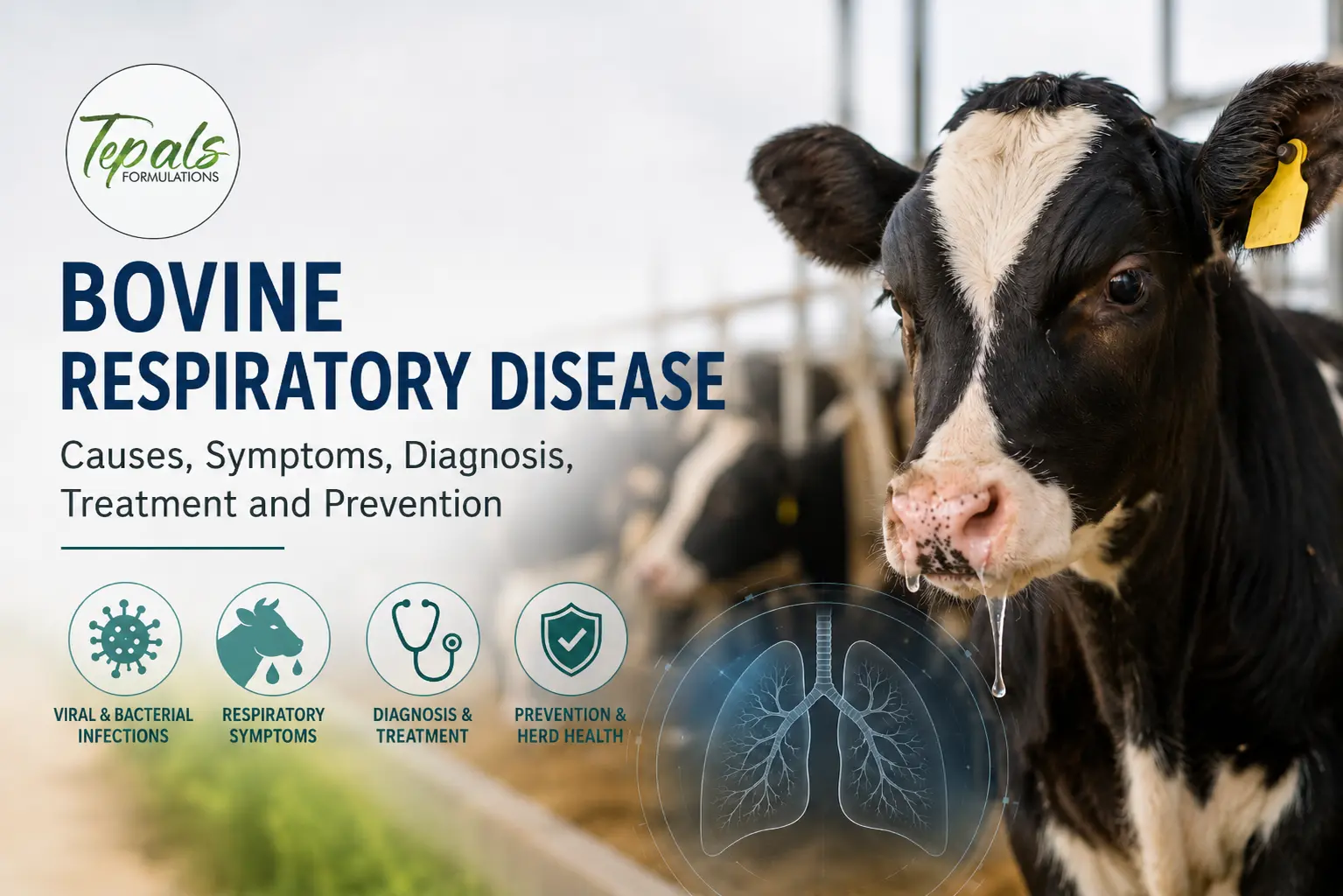
The respiratory health of cattle is an essential part of successful beef and dairy farm management. Challenges with an animal’s respiratory system can result in difficulty breathing, reduced appetite, poor growth, and a decline in overall productivity. Among the different respiratory problems found in cattle, bovine respiratory disease is considered one of the most common and economically important conditions.
Bovine respiratory disease does not usually develop because of one organism or one management mistake. It is a complex condition involving interactions among infectious pathogens, the immunity of the animal, environmental conditions, and different forms of stress.
A calf may be carrying respiratory organisms without showing serious symptoms. But transportation, weaning, overcrowding, inadequate ventilation, poor nutrition or sudden weather changes may impair its natural defense system. Viruses and bacteria may then enter the lower respiratory tract and cause pneumonia.
Early recognition and appropriate veterinary care are essential because severe lung damage may already be developing by the time an animal begins to show obvious breathing difficulty.
Definition of Bovine Respiratory Disease
Bovine respiratory disease, commonly abbreviated as BRD, is a group of infectious and inflammatory conditions affecting the upper or lower respiratory tract of cattle. It is often referred to as the bovine respiratory disease complex, or BRDC, because several different factors contribute to its development.
BRD is also sometimes called shipping fever, particularly when it occurs after animals have been transported, mixed with cattle from other farms, or exposed to several stressors within a short period.
The disease commonly involves a combination of:
- Viral infection
- Bacterial infection
- Reduced immunity
- Environmental stress
- Poor housing conditions
- Transportation
- Weaning
- Nutritional challenges
- Mixing animals from different sources
The condition may initially affect the nose, throat, and upper airways. In more serious cases, it progresses into the lower respiratory tract and causes bronchitis, bronchopneumonia, or extensive inflammation of lung tissue.
BRD is therefore not simply another name for coughing or pneumonia. It is a multifactorial disease process involving the animal, its environment, and one or more infectious organisms.
Prevalence of BRD in Cattle
Bovine respiratory disease occurs in cattle-producing regions throughout the world. It can affect dairy calves, beef calves, growing cattle, feedlot animals, and, less commonly, mature cattle.
The prevalence of BRD varies according to the following:
- Age of the animals
- Herd size
- Housing conditions
- Climate
- Vaccination program
- Transportation history
- Stocking density
- Source of purchased animals
- Colostrum management
- Disease-detection methods
Young calves and recently transported cattle are among the groups most likely to be affected. Enzootic pneumonia, a form of respiratory disease commonly seen in young dairy, and veal calves, is associated with viral and bacterial pathogens as well as factors such as crowding, humidity, poor ventilation, and inadequate passive immunity.
BRD is especially common during the first several weeks after cattle enter a feedlot or another new production environment. A North American feedlot study reported that respiratory disease represented a large proportion of total sickness and mortality in feedlot cattle, with many cases developing during the first 45 days after arrival. But the actual occurrence differs greatly from one farm to another and should not be thought of as being the same in all areas or production systems.
The true incidence may also be under-reported. Some cattle have subclinical lung lesions without obvious clinical signs. Other affected animals may only have subtle behavioral changes such as decreased feeding activity or separation from the herd.
Impact of BRD on the Cattle Industry
Bovine respiratory disease affects animal welfare as well as the financial performance of dairy and beef operations.
Direct costs associated with BRD can include:
- Veterinary examination
- Diagnostic testing
- Medicines
- Additional farm labor
- Isolation and monitoring
- Mortality
- Disposal of dead animals
Indirect losses can be even greater. Animals affected by respiratory disease may experience:
- Reduced daily weight gain
- Poor feed conversion
- Delayed growth
- Uneven group performance
- Reduced sale value
- Repeated treatment
- Chronic lung damage
- Delayed breeding
- Lower future productivity
- Increased replacement costs
An animal may appear to recover after treatment but still have residual lung damage. This can affect growth and feed efficiency long after obvious symptoms have disappeared.
BRD is widely described as one of the most common and costly diseases affecting the beef cattle industry. Its economic effect is not limited to mortality; reduced performance, prevention expenses, and treatment costs also contribute substantially to total losses.
II. Causes of BRD
Bovine respiratory disease normally develops because several factors occur together. A viral infection may damage the respiratory lining, stress may weaken immunity, and bacteria may then move into the lower respiratory tract.
The major causes and contributing factors can be divided into three groups:
- Viral infections
- Bacterial infections
- Environmental and management factors
Viral Infections Such as IBR and BVD
Respiratory viruses frequently play an important role during the early stage of BRD. A virus can damage cells lining the respiratory tract, interfere with mucus clearance, and reduce the animal’s ability to control bacterial organisms.
Important viruses associated with BRD include:
- Bovine herpesvirus type 1
- Bovine viral diarrhoea virus
- Bovine respiratory syncytial virus
- Bovine parainfluenza-3 virus
- Bovine coronavirus
- Bovine adenoviruses
Infectious Bovine Rhinotracheitis
Infectious bovine rhinotracheitis, or IBR, is caused by bovine herpesvirus type 1. It primarily affects the upper respiratory tract and may cause inflammation of the nose, throat and windpipe.
Possible symptoms include:
- Fever
- Nasal discharge
- Coughing
- Redness of the nose
- Eye discharge
- Reduced appetite
- Increased breathing effort
IBR infection may not always cause fatal disease by itself. However, damage to the respiratory tract can make cattle more vulnerable to secondary bacterial pneumonia.
Bovine Viral Diarrhoea
Bovine viral diarrhoea, or BVD, is caused by bovine viral diarrhoea virus. Despite its name, BVD does not only affect the digestive system.
The virus can interfere with immune function and increase an animal’s susceptibility to other infections. This immunosuppressive effect may allow respiratory bacteria or viruses to produce more severe disease.
Persistently infected cattle are particularly important in BVD control because they can continuously spread the virus within a herd. BVD management therefore requires more than treating diarrhoea or respiratory symptoms; herd testing, biosecurity and veterinary disease-control planning may also be required.
Other Respiratory Viruses
Bovine respiratory syncytial virus can affect the lower respiratory tract and may cause severe viral pneumonia. Parainfluenza-3 virus usually causes milder upper respiratory disease but may increase the risk of secondary infection.
More than one virus may be present during a BRD outbreak. The effect of viral infection can also vary according to the age, immunity and stress level of the affected animal.
Bacterial Infections Such as Mannheimia haemolytica and Pasteurella multocida
Bacteria are frequently associated with the severe pneumonia seen in bovine respiratory disease.
The major bacterial organisms include:
- Mannheimia haemolytica
- Pasteurella multocida
- Histophilus somni
- Mycoplasma bovis
Some of these bacteria may be present in the upper respiratory tract of healthy cattle without causing serious disease. When stress, viral infection or reduced immunity damages the animal’s protective mechanisms, the bacteria may multiply and enter the lungs.
Mannheimia haemolytica
Mannheimia haemolytica is one of the most important bacterial causes of acute pneumonia in cattle. It can multiply rapidly under suitable conditions and release substances that damage lung tissue.
Affected cattle may deteriorate quickly and develop:
- High fever
- Depression
- Rapid breathing
- Severe respiratory effort
- Reduced appetite
- Nasal discharge
- Lung inflammation
Prompt veterinary attention is important because extensive lung injury can develop within a relatively short period.
Pasteurella multocida
Pasteurella multocida is another common bacterium involved in BRD. It may be associated with pneumonia in calves and cattle, particularly where ventilation, housing or general herd health is poor.
The infection may be less dramatic than severe Mannheimia pneumonia, but it can still result in persistent fever, coughing, nasal discharge, poor growth and chronic respiratory problems.
Other Bacterial Pathogens
Histophilus somni can contribute to pneumonia and may also be associated with disease in other body systems.
Mycoplasma bovis is frequently associated with chronic or treatment-refractory pneumonia. Some affected calves may also develop middle-ear infections or joint disease.
Symptoms alone cannot reliably identify the bacterial organism involved. Deep respiratory samples, bacterial culture, molecular testing or post-mortem examination may be required during serious outbreaks or when animals repeatedly fail to respond to treatment.
Environmental Factors Such as Stress and Poor Ventilation
Exposure to respiratory organisms does not automatically mean that an animal will develop BRD. Environmental and management conditions strongly influence whether the infection remains mild or progresses into severe disease.
Transportation Stress
Transportation can expose cattle to:
- Dehydration
- Feed restriction
- Physical exhaustion
- Temperature fluctuations
- Dust
- Crowding
- Unfamiliar animals
- Poor air circulation
Cattle may also be weaned, vaccinated, dehorned, castrated or sold shortly before transportation. When several stressful events happen together, the immune system may become less effective.
This explains why recently transported and newly arrived cattle are considered high-risk groups.
Weaning Stress
Weaning involves nutritional, physical, and social changes. The calf is separated from its mother, introduced to a different diet and frequently mixed with unfamiliar animals.
Combining weaning with transport and other farm procedures may increase BRD risk. Whenever practical, stressful procedures should be separated and planned as part of a veterinary herd-health programme.
Poor Ventilation
Ventilation removes moisture, dust, ammonia, heat and airborne organisms from cattle housing.
A building may feel warm and protected but still have unsuitable air quality. Poorly ventilated sheds can allow humidity and harmful gases to accumulate, irritating the respiratory tract and supporting the spread of pathogens.
Good ventilation should provide fresh-air exchange without directing a strong cold draught over young calves.
Overcrowding
Overcrowding increases close contact between animals and allows infectious organisms to spread more easily.
It can also contribute to:
- Damp bedding
- Higher humidity
- Feed competition
- Water competition
- Social stress
- Increased manure accumulation
- Poor resting conditions
Additional Environmental Risk Factors
Other factors that may contribute to BRD include:
- Sudden weather changes
- Excessive heat or cold
- High humidity
- Dusty feed or bedding
- Poor hygiene
- Mixing age groups
- Poor-quality colostrum management
- Inadequate nutrition
- Introduction of animals from multiple sources
USDA research describes BRD as the result of complex interactions among pathogens, stress, immune dysfunction, and environmental factors rather than a disease caused by one isolated factor.
III. Symptoms of BRD
The symptoms of bovine respiratory disease vary according to the pathogen involved, the age and immunity of the animal, and the severity of lung damage.
Early symptoms can be subtle. An affected animal may first appear dull, spend more time away from the group or show less interest in feeding. Visible respiratory symptoms may develop later.
The three commonly recognised symptoms are coughing, nasal discharge and fever.
Coughing
Coughing occurs when the respiratory tract becomes irritated or inflamed. It is the animal’s natural attempt to remove mucus, dust and other material from the airways.
A mild, occasional cough does not automatically confirm BRD. Cattle may cough because of dust, aspiration, parasites or other respiratory conditions.
A cough becomes more concerning when it is:
- Frequent
- Deep
- Painful
- Associated with fever
- Accompanied by nasal discharge
- Associated with rapid or difficult breathing
- Present in several animals within the group
Some calves with early BRD may not cough frequently. Absence of coughing should therefore not be used to rule out respiratory disease.
Nasal Discharge
Nasal discharge may be clear and watery during the early stage of a viral infection. As inflammation or secondary bacterial involvement increases, the discharge may become thicker, cloudy, yellowish or mucopurulent.
The appearance of nasal discharge should be assessed together with other signs.
Clear discharge may occur with:
- Mild irritation
- Dust exposure
- Early viral infection
- Temperature changes
Thick or discoloured discharge may be more suggestive of:
- Significant airway inflammation
- Secondary bacterial infection
- Accumulation of respiratory secretions
- More advanced disease
Nasal discharge from only one nostril may sometimes suggest a local nasal problem rather than widespread respiratory disease.
Fever
Fever is a common response to infection and inflammation. In cattle with BRD, it may appear before severe coughing or breathing difficulty develops.
However, body temperature should not be interpreted alone. Temperature can also be influenced by:
- Animal age
- Physical activity
- Handling
- Transport
- Environmental heat
- Time of day
- Other infections
A veterinarian normally considers temperature together with respiratory rate, appetite, behaviour, lung sounds and the animal’s recent history.
Additional Signs of BRD
Other possible signs include:
- Reduced feed intake
- Reduced milk intake in calves
- Depression
- Drooping ears
- Eye discharge
- Head held low
- Separation from the herd
- Rapid breathing
- Shallow breathing
- Difficult or laboured respiration
- Extended neck
- Open-mouth breathing
- Reduced weight gain
- Increased time spent lying down
Behavioural and feeding changes may develop before clearly visible clinical symptoms. Research into BRD detection has shown that altered feeding and activity patterns can occur before obvious disease is recognised.
Animals showing open-mouth breathing, severe respiratory effort, inability to stand, bluish mucous membranes or rapid deterioration require immediate veterinary attention.
IV. Diagnosis and Treatment of BRD
Accurate diagnosis is important because not every coughing or feverish animal has the same disease. Lungworm infection, aspiration pneumonia, heat stress and other conditions can produce signs that resemble BRD.
Diagnosis normally combines physical examination, herd history and, where necessary, laboratory or imaging tests.
Physical Examination by a Veterinarian
A veterinarian may begin by reviewing the animal’s recent history.
Important questions can include:
- Was the animal recently transported?
- Has it been weaned?
- Were animals recently mixed or regrouped?
- Are several animals affected?
- Has there been a sudden weather change?
- What is the vaccination history?
- Has the animal previously received antibiotics?
- When did feed intake decline?
- Are housing and ventilation suitable?
- Have there been recent deaths?
The physical examination may include assessment of:
- Rectal temperature
- Respiratory rate
- Breathing effort
- Heart rate
- Hydration
- Nasal discharge
- Eye discharge
- Ear position
- Appetite
- Lung sounds
- General behaviour
Clinical scoring systems may also be used to make observations more consistent.
A diagnosis based only on visible symptoms can sometimes miss subclinical disease or classify healthy animals incorrectly. This is one reason veterinary assessment and good record-keeping are valuable.
Diagnostic Tests Such as Blood Tests and Lung X-Rays
Diagnostic tests may be recommended when:
- Several animals are affected
- The condition is severe
- Treatment response is poor
- Animals repeatedly relapse
- An unusual pathogen is suspected
- The farm has recurring outbreaks
- A herd-level control programme is being developed
Blood Tests
Blood testing may help evaluate inflammation, infection, immune response, dehydration or other health problems. Depending on the situation, tests may include:
- Complete blood count
- Acute-phase proteins
- Serum chemistry
- Antibody testing
- Viral testing
Blood tests may support a diagnosis but usually cannot identify every cause of BRD on their own.
Lung X-Rays
Lung or thoracic X-rays can provide information about respiratory structures and patterns of lung disease. They may be useful in valuable individual animals, research settings, or specialist veterinary facilities.
However, obtaining diagnostic-quality chest X-rays from adult cattle can be difficult because of their size and the thickness of the chest. Radiography may therefore be less practical for routine herd-level investigation.
Thoracic Ultrasound
Thoracic ultrasonography is increasingly used to detect lung consolidation and abnormalities close to the surface of the lungs. It can be especially helpful in calves and animals that show uncertain or mild symptoms.
Ultrasound can help determine whether lung tissue has been affected, although it does not automatically identify the pathogen responsible. Research supports its use in detecting both clinical and subclinical respiratory disease in calves.
Respiratory Sample Testing
Additional diagnostic methods may include:
- Deep nasopharyngeal swabs
- Tracheal wash
- Bronchoalveolar lavage
- Bacterial culture
- Antimicrobial susceptibility testing
- PCR testing
- Viral isolation
- Post-mortem examination
Where possible, samples should be collected from appropriately selected animals early in the disease process and before repeated medicine administration. Sample type and collection timing can strongly affect the result.
Treatment Options Such as Antibiotics and Anti-Inflammatory Drugs
Treatment should be directed by a qualified veterinarian and based on the animal’s condition, likely pathogens, previous medicine use and local regulations.
Antibiotics
A veterinarian may prescribe an approved antibiotic when bacterial pneumonia is suspected.
The choice of antibiotic may depend on:
- Likely bacterial pathogens
- Severity of disease
- Animal weight and age
- Previous treatment history
- Local resistance patterns
- Product approval
- Dosage instructions
- Meat withdrawal period
- Milk withdrawal period
Antibiotics do not directly cure viral infections. They may still be required when viral damage has been followed by secondary bacterial pneumonia.
Incorrect dosing, unnecessary antibiotic use, or repeatedly changing medicines without diagnosis can contribute to treatment failure and antimicrobial resistance. Antibiotics should therefore be used under veterinary direction.
Anti-Inflammatory Drugs
A veterinarian may use anti-inflammatory medication to reduce:
- Fever
- Pain
- Lung inflammation
- Discomfort
- Reduced appetite associated with illness
Anti-inflammatory medicines can improve comfort but do not replace appropriate antimicrobial treatment when bacterial pneumonia is present.
Supportive Treatment
Supportive management may include:
- Clean drinking water
- Correction of dehydration
- Palatable feed
- Dry bedding
- Protection from extreme weather
- Reduced handling
- Adequate ventilation
- Close monitoring
- Isolation where appropriate
Early case identification followed by suitable treatment is important because advanced lung damage may reduce the likelihood of complete recovery. Bacterial pneumonia treatment commonly involves veterinary-selected antimicrobials together with supportive care and management correction.
V. Prevention of BRD
Bovine respiratory disease cannot normally be controlled through medication alone. The most successful programmes combine vaccination, nutrition, housing, biosecurity and stress reduction.
Prevention strategies should be developed with a veterinarian according to the farm’s production system and disease history.
Vaccination Programmes
Vaccines are available against several viral and bacterial organisms associated with BRD.
A vaccination programme may include protection against organisms such as:
- Infectious bovine rhinotracheitis virus
- Bovine viral diarrhoea virus
- Bovine respiratory syncytial virus
- Parainfluenza-3 virus
- Mannheimia haemolytica
- Pasteurella multocida
- Histophilus somni
The exact vaccine selection will depend on the herd’s disease risks, animal age, reproductive status, product label and veterinary recommendations.
Vaccination is most effective when:
- The correct vaccine is selected.
- It is stored at the required temperature.
- Directions As directed.
- is on the right path
- Booster doses are given as needed.
- Vaccination of animals before the event
- The equipment is clean and handled properly.
- Cattle are healthy enough to respond.
Vaccination immediately after arrival may not provide instant protection because immunity takes time to develop. Where practical, preconditioning programmes vaccinate and prepare calves before weaning, transport and sale.
No vaccination programme can completely compensate for severe overcrowding, poor ventilation or continuous introduction of infected animals.
Proper Nutrition and Management Practices
Nutrition supports immune function, growth and recovery from infection.
A BRD-prevention programme should consider:
- Adequate energy intake
- Suitable protein levels
- Balanced minerals
- Appropriate vitamins
- Clean drinking water
- Gradual diet changes
- Good-quality feed
- Prevention of severe weight loss
Colostrum Management
Newborn calves depend heavily on antibodies received through colostrum. Delayed feeding, inadequate amounts or poor quality colostrum decreases passive immunity and disease susceptibility.
Good colostrum management includes:
- Feeding as early as possible
- Providing adequate quantity
- Assessing colostrum quality
- Using hygienic collection methods
- Maintaining clean feeding equipment
- Monitoring passive transfer where practical
Housing Management
Suitable cattle housing should provide:
- Fresh-air exchange
- Dry bedding
- Adequate space
- Low ammonia levels
- Protection from extreme weather
- Separation of age groups where practical
- Easy cleaning and disinfection
- Protection from direct draughts
Poor ventilation, humidity, crowding, mixed-age housing and inadequate passive immunity are recognised risk factors for respiratory disease in young calves.
Minimising Stress and Exposure to Pathogens
Stress reduction is one of the most important parts of BRD prevention.
Transport Animals With Care. During transport: • Ensure animals are fit to be transported.
- Complete planned vaccinations in advance where practical.
- Avoid transporting visibly sick cattle.
- Provide suitable feed and water.
- Minimise unnecessary handling.
- Avoid combining several stressful procedures.
Upon arrival: Ensure immediate access to clean water.
- Share the names of tasty foods you know.
- Release the animals.
- Keep an eye on the cattle.
- Don’t regroup unless you have to.
- Identify sick animals early.
Avoid Multiple Stressful Procedures Together
Weaning, vaccination, dehorning, castration, transport and sale should not all be performed on the same day unless unavoidable.
Separating these procedures gives the animal time to recover and develop an immune response.
Quarantine New Animals
Purchased animals should be observed separately before being introduced into the resident herd.
Quarantine allows time to:
- Identify illness
- Review vaccination history
- Conduct required tests
- Treat parasites
- Allow recovery from transport
- Reduce disease introduction
Improve Biosecurity
Biosecurity measures may include:
- Limiting unnecessary visitors
- Cleaning shared equipment
- Separating sick cattle
- Avoiding mixing of age groups
- Controlling vehicle access
- Purchasing from known sources
- Maintaining treatment records
- Investigating repeated outbreaks
Daily Monitoring
Farm workers should observe whether any animal is:
- Eating less than normal
- Standing away from the group
- Holding its head low
- Showing drooping ears
- Coughing repeatedly
- Producing nasal discharge
- Breathing faster than nearby cattle
- Spending excessive time lying down
- Failing to drink normally
- Showing unusual weakness
Subtle behavioural changes may appear before advanced respiratory symptoms. Detecting these changes early can allow animals to be examined before extensive lung damage develops.
VI. Conclusion
Bovine respiratory disease is a complex and economically important cattle-health problem. It develops through interactions among viruses, bacteria, environmental conditions, stress, and the immune status of the animal.
Because no single factor is responsible for every case, BRD management requires a complete herd-health approach rather than dependence on one medicine or vaccine.
Importance of Early Detection and Treatment of BRD
Early detection improves the opportunity to examine and treat affected cattle before serious lung damage occurs.
Farm workers should pay attention not only to coughing and nasal discharge but also to early behavioural changes, including:
- Reduced feed intake
- Separation from the herd
- Drooping ears
- Dullness
- Reduced activity
- Increased breathing rate
Animals showing these signs should be examined according to a veterinarian-approved protocol.
Treatment is generally more difficult when disease has progressed to severe breathing difficulty, extensive pneumonia or chronic lung damage. Delayed treatment can also increase mortality, relapse and long-term production losses.
Significance of Prevention Strategies in Reducing BRD Incidence
Prevention is based on reducing the conditions that allow respiratory disease to develop.
The most effective programmes combine:
- Appropriate vaccination
- Adequate colostrum
- Balanced nutrition
- Suitable ventilation
- Low stocking density
- Good hygiene
- Careful transportation
- Quarantine
- Biosecurity
- Daily observation
- Veterinary planning
Vaccination can reduce disease risk, but it must be supported by proper management. Similarly, good ventilation cannot completely protect cattle that are severely stressed, poorly nourished, or continuously exposed to infected animals.
Each farm should develop a prevention plan based on its own disease history, production method and risk factors.
Future Research Directions in BRD Management
BRD remains difficult to control because it involves several pathogens and management factors. Future research is therefore focused on improving prevention, diagnosis and treatment.
Important research areas include:
- Rapid pen-side diagnostic tests
- Earlier identification of affected animals
- Automated feeding and activity monitoring
- Wearable temperature and respiratory sensors
- Improved thoracic imaging
- Biomarkers of inflammation
- More effective vaccines
- Better understanding of the respiratory microbiome
- Genetic selection for disease resistance
- Pathogen sequencing
- Antimicrobial-resistance monitoring
- Individualised treatment protocols
Modern diagnostic research is exploring imaging, molecular tests, biomarkers and automated monitoring systems that may identify disease before obvious clinical signs appear.
These developments may allow cattle producers and veterinarians to detect high-risk animals earlier, use medicines more responsibly and design prevention programmes for specific farms.
The future of BRD control will not depend on one universal solution. It will require continued research and closer coordination among cattle owners, veterinarians, nutritionists, researchers and farm workers.
Final Takeaway
Bovine respiratory disease should not be treated as an ordinary seasonal cough. It is a multifactorial condition capable of affecting animal welfare, growth, productivity and farm profitability.
Early observation, correct veterinary diagnosis and timely treatment are important for managing individual cases. However, long-term control depends on prevention through vaccination, nutrition, ventilation, biosecurity and reduced stress.
A farm that regularly experiences respiratory disease should not only change medicines. It should also investigate the environmental and management conditions that are allowing BRD to continue.
This article is intended for general educational purposes only. Diagnosis, vaccination, and treatment decisions should be made in consultation with a qualified veterinarian.