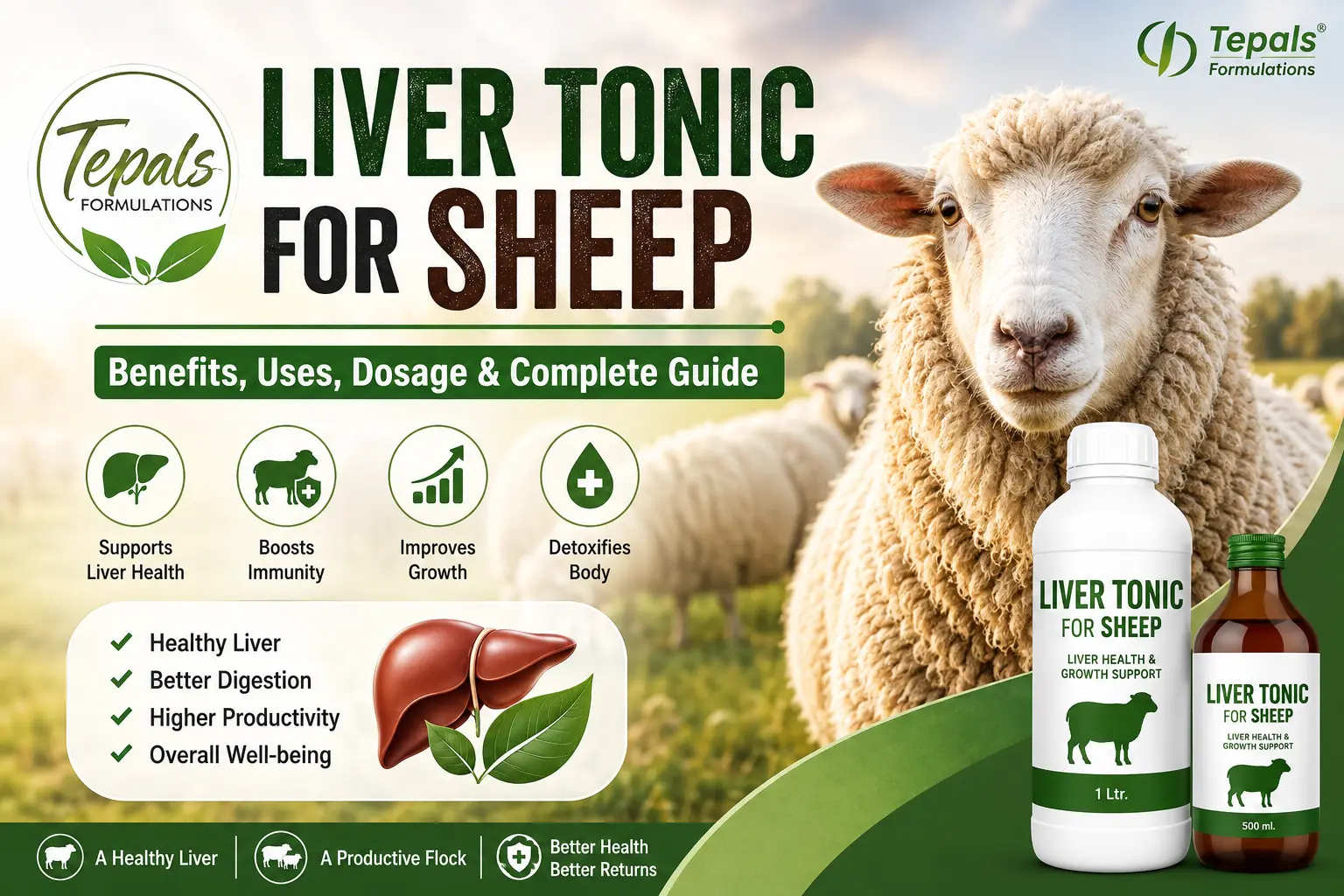
Healthy sheep are productive sheep. Whether you’re raising them for meat, wool, milk, or breeding, maintaining good liver health is essential for their performance. The liver plays a key role in digestion, metabolism, detoxification, and nutrient storage. When it does not function properly, sheep may lose weight, eat less, become weak, and recover more slowly from illness.
A liver tonic for sheep is a nutritional supplement that supports normal liver function, improves appetite, and helps animals better use nutrients in their feed. It is commonly used during stress, after deworming, during recovery from illness, and whenever sheep show poor appetite or lowered performance.
In this guide, you’ll learn everything you need to know about sheep liver tonic, including how it works, when to use it, the benefits it offers, and how to keep your flock’s liver healthy throughout the year.
What Is a Liver Tonic for Sheep?
A liver tonic for sheep is a veterinary nutritional supplement that supports liver function. It contains vitamins, amino acids, minerals, and liver-supporting ingredients that improve metabolism, digestion, and nutrient utilization.
Unlike antibiotics or medicines that treat specific diseases, a liver tonic supports the liver’s natural ability to process nutrients, remove toxins, and maintain body functions.
Many sheep farmers use liver tonics in their herd management to improve feed efficiency and overall health, especially during stressful periods.
How Does a Sheep Liver Tonic Work?
The liver performs hundreds of important functions every day. A liver tonic supplies nutrients that help the liver:
- Convert feed into usable energy.
- Process fats and proteins efficiently
- Remove harmful toxins from the body.
- Store essential vitamins and minerals.
- Support healthy digestion
- Enhance nutrient digestion
- Promote better metabolism
When the liver functions efficiently, sheep generally have a healthier appetite, better body condition, and stronger immunity.
Why Liver Health Matters in Sheep
The liver is one of the hardest-working organs in a sheep’s body. Every mouthful of feed affects the liver as it metabolizes nutrients, toxins, and waste products.
If liver function declines, nearly every system in the body can be affected.
Key Functions of the Liver
A healthy liver helps sheep by:
- Digesting fats efficiently
- Producing important proteins
- Storing vitamins and minerals
- Removing toxins from the bloodstream
- Promoting immune function
- Retaining energy production
- Regulating metabolism
- Processing medications
Without a healthy liver, even high-quality feed cannot be used effectively.
Common Causes of Liver Problems in Sheep
Liver problems in sheep commonly arise due to suboptimal management practices, nutritional deficiencies, parasitic infestations, or unfavorable environmental conditions.
Identifying these underlying causes enables the implementation of preventive strategies to reduce the incidence of severe liver disorders.
1. Poor Nutrition
A diet deficient in essential nutrients impairs both liver function and metabolic efficiency.
Poor-quality forage, nutrient deficiencies, and imbalanced feed contribute to increased metabolic stress and diminished overall animal performance.
2. Moldy or Contaminated Feed
Fungal contamination of feed introduces harmful compounds known as mycotoxins.
These mycotoxins impose additional strain on the liver during detoxification.
Prolonged consumption of contaminated feed may result in the following adverse effects:
Feed should be stored in dry, clean conditions to minimize the risk of fungal contamination.
3. Internal Parasites
Severe parasitic infestations affect multiple physiological systems beyond the digestive tract.
Certain parasites cause direct tissue damage or weaken the host, thereby increasing the liver’s workload.
Regular deworming remains one of the most effective methods for reducing hepatic stress.
4. Liver Fluke Infection
Liver flukes are among the most harmful parasites affecting sheep health. They damage hepatic tissue, resulting in inflammation, fibrosis, and reduced liver function.
Typical symptoms include:
- Weight loss
- Weakness
- Pale gums
- Bottle jaw
- Reduced appetite
Timely diagnosis and appropriate treatment are essential for effective management of liver fluke infections. During periods of elevated temperatures, sheep typically reduce feed intake, thereby increasing metabolic demands and placing additional strain on liver function. Provision of shade, clean water, and balanced nutrition helps mitigate the adverse effects of heat stress.
6. Sudden Feed Changes
Abrupt dietary changes can disrupt digestion and increase the workload on the liver.
New feeds should be introduced gradually over several days whenever possible.
Disease often causes decreased appetite and increased nutritional needs. During recovery, the liver works harder to repair damaged tissues and eliminate waste products from medications and infections.
Administration of a liver tonic may support recovery by enhancing feed intake and nutrient utilization.
6. Pregnancy and Lactation
Pregnant and lactating ewes exhibit significantly increased nutritional requirements.
The liver processes more nutrients to support fetal development. Adequate nutrition during these stages improves ewe health and supports lamb vitality. Supports lamb vigor.
Signs Your Sheep May Need a Liver Tonic
Liver problems often develop gradually, making early detection important.
Although these signs do not always indicate liver disease, they may suggest reduced liver function or increased metabolic stress.
Watch for:
- Poor appetite
- Slow weight gain
- Weight loss
- Dull or rough wool
- Low energy levels
- Weakness
- Reduced grazing activity
- Poor feed conversion
- Digestive disturbances
- Slow recovery after illness
- Lower fertility
- Reduced milk production
- General poor body condition
If several of these symptoms persist, consult a veterinarian for an accurate diagnosis before starting any treatment or supplementation.
Benefits of Using Liver Tonic for Sheep
A quality sheep liver tonic provides nutritional support to maintain healthy liver function and overall productivity.
Below are some of its most important benefits.
1. Supports Healthy Liver Function
The primary purpose of a liver tonic is to support normal liver activity.
Ingredients such as amino acids, vitamins, and liver-supporting nutrients help maintain a healthy metabolism and promote efficient detoxification.
2. Improves Appetite
One of the first signs of liver stress is reduced feed intake.
When liver function improves, many sheep regain their appetite and consume enough nutrients to support maintenance, growth, and production.
Improved appetite often leads to better body condition over time.
3. Promotes Better Digestion
Efficient liver function supports proper digestion by aiding fat metabolism and nutrient processing.
As digestion improves, sheep extract more nutrients from their feed, making every meal more beneficial.
4. Enhances Feed Conversion Efficiency
Feed represents one of the largest expenses in sheep farming.
When sheep use nutrients more efficiently, they need less feed to reach the same growth or production level.
5. Supports liver health
improves feed conversion efficiency and farm profitability.
Growing lambs require adequate nutrition to develop strong muscles, bones, and immune systems.
A healthy liver converts nutrients into energy and body tissues more efficiently. With balanced nutrition, a liver tonic may support consistent growth and development.
6. Helps Sheep Recover Faster
After illness, transportation, vaccination, or deworming, sheep often face temporary stress and reduced appetite.
A liver tonic provides nutritional support during recovery by encouraging feed intake and restoring normal metabolic activity.
7. Boosts Nutrient Utilization
Feeding high-quality feed alone is not enough.
The nutrients must also be absorbed and metabolized efficiently. A healthy liver plays a central role in making this possible, helping sheep gain maximum value from every kilogram of feed.
8. Supports Immunity
Good nutrition and healthy liver function together maintain a strong immune system.
When sWhen sheep receive adequate vitamins, minerals, and amino acids, they cope better with environmental and management stress. Improves Overall Productivity
Whether your goal is meat production, wool quality, breeding performance, or milk production, maintaining liver health contributes to overall flock performance.
Healthy sheep are more active, eat better, and use available nutrients more efficiently, supporting long-term productivity.
When Should You Use a Liver Tonic for Sheep?
Liver tonics may be included in routine nutrition, but they are most effective during periods of increased metabolic stress in sheep.
Key situations where liver tonics are recommended include:
- After deworming programs
- During recovery from illness
- After transportation
- During hot weather and heat stress
- Before and after lambing
- During pregnancy and lactation
- Following vaccination
- During periods of poor appetite
- When changing feed or grazing areas
- During fast growth in lambs
- When recovering from nutritional deficiencies
Administering a liver tonic during these periods can support appetite, digestion, and overall metabolic function as sheep adapt to changing conditions.
Why Farmers Include Sheep Liver Tonic in Their Flock Management Program
Experienced sheep farmers understand that prevention is often more effective than treatment. Instead of waiting until animals show severe signs of poor health, many include liver-supporting supplements as included in a broader nutrition and management strategy.
A liver tonic is not a replacement for balanced feeding, parasite control, vaccination, or veterinary care. However, when used alongside good management practices, it can help support normal liver function during periods of increased nutritional demand or stress.
Frequent monitoring of body condition, feed intake, and overall flock performance allows farmers to identify troubles early and provide appropriate nutritional assistance when required.
Can Liver Tonic Improve Weight Gain in Sheep?
Farmers often ask if liver tonic directly increases weight gain.
The answer is yes, but only indirectly.
Liver tonic is not a growth promoter. However, by supporting normal liver function, it helps sheep use nutrients more efficiently.
Healthy liver function contributes to:
- Better appetite
- Improved digestion
- Enhanced metabolism
- Efficient nutrient absorption
- Better feed conversion
With a balanced diet and proper management, these benefits can support healthier weight gain over time.
How to Choose the Best Liver Tonic for Sheep
With many veterinary supplements available, selecting the right product is important.
Look for a liver tonic that offers:
- Balanced vitamins
- Essential amino acids
- Liver-supporting nutrients
- High-quality manufacturing standards
- Clear dosage instructions
- Reliable shelf life
- Veterinary guidance
Avoid choosing products solely based on price. Quality, ingredient profile, and manufacturer reputation should be the primary considerations.
Frequently Asked Questions
1. What is a liver tonic for sheep used for?
A liver tonic supports normal liver function, improves appetite, enhances digestion, and helps sheep use nutrients better, especially during stress or recovery.
2. Can lambs receive a liver tonic?
Yes, some liver tonics are suitable for lambs but only when used according to the manufacturer’s recommendations or a veterinarian’s advice.
3. When should I give a liver tonic after deworming?
Many farmers provide liver support shortly after deworming to improve appetite and recovery. Always follow the product label or consult your veterinarian.
4. Can liver tonic improve appetite?
Yes. Supporting healthy liver function often helps restore normal appetite in sheep experiencing nutritional or metabolic stress.
5. Does liver tonic help sheep gain weight?
Indirectly, yes. It supports digestion and nutrient use, which may contribute to healthy weight gain when combined with proper feeding and management.
6. Is liver tonic safe during pregnancy?
Some formulations may be used during pregnancy, but always consult your veterinarian and follow the product label before administration.
7. Can liver tonic be mixed with drinking water?
Many liquid liver tonics are designed to be mixed with drinking water, while others are given orally. Follow the manufacturer’s instructions.
8. How often should sheep receive a liver tonic?
The frequency depends on the product and the purpose of supplementation. Routine use should always follow the manufacturer’s guidelines.
9. Are there any side effects?
When used at the recommended dosage, nutritional liver tonics are generally well tolerated. Avoid overuse or incorrect administration.
10. Is a liver tonic a substitute for veterinary treatment?
No. A liver tonic is a nutritional supplement that supports normal liver function. It should not replace diagnosis or treatment for liver disease or other medical conditions.
Conclusion
A healthy liver is necessary for maintaining appetite, efficient digestion, nutrient metabolism, and productivity in sheep. Whether managing a small flock or a commercial farm, supporting liver function can make a noticeable difference during stress, recovery, pregnancy, or nutritional challenges.
A liver tonic for sheep is not a cure for liver disease. Still, it can be a valuable nutritional supplement when used alongside balanced feeding, effective parasite control, clean water, and good management practices. By choosing a high-quality sheep liver tonic and following the recommended dosage, farmers can maintain healthier animals, improve feed efficiency, and promote long-term flock performance.
Ultimately, prevention remains the best strategy. Regular health monitoring, proper nutrition, and timely veterinary care will always provide the strongest foundation for healthy sheep and sustainable productivity.