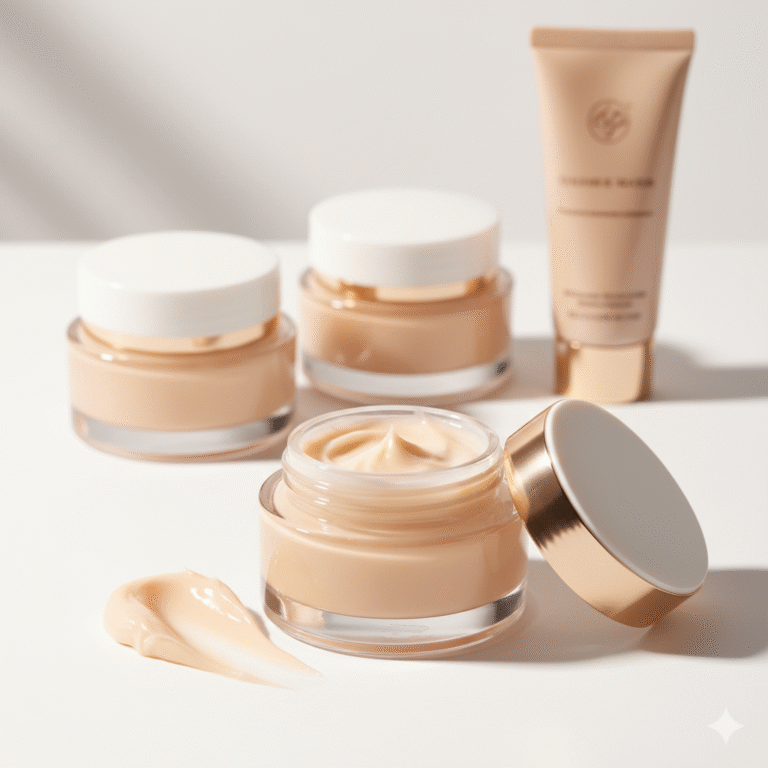
A face cream can look impressive in its jar and still disappoint the person using it. It may feel too heavy, leave an unwanted shine, or take too long to absorb. For a skincare brand, these small details can influence whether a customer orders again.
Choosing a face cream manufacturer is therefore about more than finding a supplier with an attractive price. You need a partner who understands your product brief, communicates clearly and can produce consistent batches.
Whether you are planning your first moisturiser or expanding an existing range, this guide explains face cream manufacturing, the options available and what to check before placing an order.
What Does a Face Cream Manufacturer Do?
A face cream manufacturer produces creams for sale under its own brand or another company’s brand. Depending on the agreement, its services may include formulation development, ingredient sourcing, sample preparation, testing, bulk production, filling, and packaging.
Some manufacturers offer ready-developed formulas. Others create a product around your requirements or manufacture according to an agreed formula.
Before requesting prices, clarify which services you need. A quotation for bulk cream alone is different from a quotation for a finished, labelled product ready for dispatch.
Define the Face Cream You Want to Sell
“Good-quality face cream” is not a complete product brief. Your manufacturer needs to understand what the product should feel like, who will use it, and where it will fit into their routine.
For example, a lightweight daily moisturiser and a rich night cream may require different textures, packaging, and customer messaging.
First choice:
- Target audience for the product.
- The key cosmetic benefit you want to provide.
- The required texture and finish.
- Whether you want fragrance or fragrance-free.
- What your pack size and packaging format are.
- The target retail price and manufacturing budget.
- Your initial order quantity and intended sales market.
Having a clear brief means you can judge the samples on a level playing field. It also lowers the chance of an approval for a cream that looks good but is not right for your customer.
Face Cream Brand Manufacturing Options
Face cream private label
With private label manufacturing, you typically take an existing formula and convert it into your own brand name product.
This can simplify the development phase, especially if the formula you have available is close to what you need. Ask which packaging options are supported and whether the testing applies to your proposed finished product.
Do not assume that an existing formula is exclusive. Confirm whether other brands can purchase the same formulation.
Custom face cream formulation
Custom development gives you more scope to shape the product. Your brief might specify a lighter texture, a different finish, a particular ingredient approach or a fragrance preference.
Development can involve several sample revisions. Agree on the fees, revision limits, testing responsibilities, and ownership of the formula before starting.
Changes that seem small can affect the finished product, so ask how each revision will be evaluated.
Third-party or contract manufacturing
In a third-party arrangement, another company manufactures the product for your brand according to agreed specifications.
The formula may be supplied by your business, selected from the manufacturer’s range, or developed together. Since suppliers use these terms differently, request a written explanation of the services included.
How Face Cream Manufacturing Works
1. Brief review and formulation planning
The manufacturer reviews your product requirements and discusses what is achievable within your budget.
This is the stage to resolve practical questions. Can the selected texture work in a pump? Is the intended pack size available? Does the target price leave room for the packaging you want?
“I want to discuss these details before we approve development.
2. Sample preparation and feedback
Samples allow you to assess the proposed cream before committing to a production batch.
Review spreadability, fragrance, appearance, finish, and ease of dispensing. Record your observations against the brief instead of relying only on whether you “like” the sample.
Use version numbers for sample feedback. Once a sample is approved, retain a reference and document the agreed product specifications.
A sample review helps assess the experience of using the cream; it does not replace the appropriate quality and safety evaluation.
3. Ingredient and packaging sourcing
The manufacturer arranges the raw materials and packaging needed for production.
Ask how materials are checked and how changes are managed. If a particular ingredient or jar becomes unavailable, you should know how the proposed replacement will be reviewed and approved.
An agreed change-control process can prevent surprises between your first order and your next one.
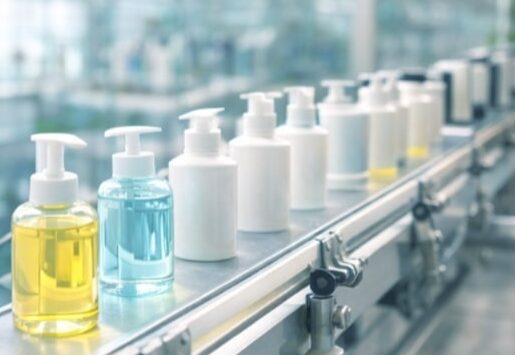
4. Manufacturing the bulk cream
The production method depends on the formulation. Many creams contain water and oil phases that must be combined into an emulsion. The agreed process may involve controlled heating, mixing, homogenisation and cooling.
The important question for a brand owner is how the manufacturer controls the process and confirms that the finished batch meets its specifications.
Ask about batch records, checks during production and the procedure for handling a batch that does not meet the agreed standard.
5. Quality evaluation
Discuss a testing plan appropriate to the formula, its packaging, intended use and sales market.
Questions to raise include:
- Which physical and chemical specifications will be checked?
- How will microbial quality be assessed?
- What evaluation is appropriate for the preservation system?
- What evidence supports the proposed shelf life?
- Has compatibility with the final packaging been assessed?
Ask a qualified technical team to explain the evidence rather than treating a generic “quality tested” statement as sufficient. FDA guidance identifies laboratory controls, preservation checks and manufacturing records as relevant areas of cosmetic quality oversight.
6. Filling, labelling and dispatch
Once approved for filling, the cream is packed into the chosen containers. Final checks should address the agreed fill quantity, closure, label and presentation.
Confirm which documents accompany the batch, how the product should be stored and how delivery problems will be handled.
Keep batch information connected to your stock records so complaints can be traced to the relevant supply.
Choosing Packaging for Your Face Cream
Packaging affects how customers use the product, not just how it looks on a shelf.
| Packaging option | What to discuss with your manufacturer |
|---|---|
| Jar | Ease of access, closure quality, compatibility, and expected consumer use |
| Squeeze tube | How easily the cream dispenses, sealing, and handling |
| Pump bottle | Whether the pump works reliably with the cream’s viscosity |
| Airless pack | Formula compatibility, dispensing performance, and cost |
Select the container alongside the formula. A cream that works well in one pack may not dispense properly from another.
Ask to review the product in its intended packaging before placing a bulk packaging order. Storage and exposure also matter: FDA guidance notes that temperature changes, sunlight, and air can affect cosmetic texture, colour, and smell.
How to Choose the Right Face Cream Manufacturer
Look for experience with comparable products
Ask whether the manufacturer has worked with the type of cream you want to launch. Request relevant samples and discuss the technical requirements of your brief.
A long product catalogue is useful only if the supplier can support your particular project.
Verify licences and relevant documentation
In India, cosmetic manufacturing is regulated through inspection and licensing by State Licensing Authorities, as explained by CDSCO. Ask for the relevant manufacturing licence and confirm its applicability to your proposed arrangement.
Check certification claims against their actual scope rather than relying on a brochure logo.
Understand the minimum order quantity
Ask whether the MOQ applies to each formula, pack size, or variant. A total order quantity can be misleading if several products each carry separate minimums.
Also discuss repeat orders. Your next purchase should fit your expected stock movement and cash flow.
Ask about consistency between batches
Discuss which specifications are used to compare production batches and what happens when there is a noticeable difference.
Agree on how changes in ingredients, packaging or processing will be communicated.
Check how complaints are handled
Ask who investigates a quality complaint, which records are retained, and how responsibility for defective goods is determined.
Clear answers before production can make a difficult situation much easier to resolve later.
What Affects Face Cream Manufacturing Cost?
The price depends on the formulation, quantity, packaging, and services included. There is no meaningful standard price that applies to every face cream.
Your quotation may include or separately charge for:
- Formulation development and sample revisions.
- Ingredients and production.
- Testing and supporting documentation.
- Jars, tubes, pumps, labels and cartons.
- Filling and packing.
- Transport and applicable taxes.
Compare suppliers against the same brief and packaging specification.
A lower price per unit may exclude items that another quotation includes. Ask for the total cost of receiving the agreed finished order, including any one-time development charges.
Common Mistakes to Avoid Before Your First Order
Choosing the cheapest quotation without checking its scope
Review the formula, pack, testing, and services behind each price. Otherwise, you may be comparing different products.
Approving packaging before evaluating the cream
A container should suit the formulation and the way customers will use it. Check the combination before ordering components in volume.
Making claims without supporting evidence
Claims such as “clinically proven,” “dermatologically tested” or “suitable for sensitive skin” need relevant support.
Ask what was assessed and whether the evidence applies to the final product. CDSCO states that cosmetic claims must not be false or misleading.
Assuming development guarantees exclusivity
Customisation does not automatically settle formula ownership. Put exclusivity, access to the formula and future manufacturing rights in writing.
Committing to too much stock
Choose an initial quantity based on a realistic sales plan. Consider the available shelf life, storage conditions and time needed to sell through the batch.
Discuss Your Face Cream Project With Tepals Formulations
Tepals Formulations describes its services as including cosmetic third-party manufacturing, private label support, custom formulation development, packaging and labelling. Its website also lists creams among the products it manufactures.
If you are going to develop a line of face creams, provide a clear brief to your team and ask them to confirm the formulation options, samples, testing scope, packaging options, MOQ and quotation for your project.
Prepare these details for your enquiry:
- Product concept and intended customer.
- Preferred texture, finish, and fragrance.
- Pack size and packaging preference.
- Initial quantity.
- Talaunch schedule and budget.
Planning your own face cream brand?
Please contact Tepals Formulations to discuss your requirements and get a quote for your project.
Frequently Asked Questions
Can I start a face cream brand without owning a factory?
Yes. You can work with a private label or third-party face cream manufacturer. Agree on each party’s responsibilities for the formula, testing, packaging, documentation, and ongoing quality management.
What is the difference between private label and custom face cream manufacturing?
Private label usually starts with an existing formula. Custom manufacturing is where we develop or modify a formula to suit your brief. The agreement will determine the services, ownership, and exclusivity.
What is the MOQ for face cream manufacturing?
There is no universal MOQ. It depends on the manufacturer, formulation, packaging components, and number of variants. Request a written minimum for each product and pack size.
How long does it take to manufacture a face cream?
“The schedule depends on development, sample approvals, testing, packaging, and availability of production capacity. Provide a timeline with specific milestones and confirm when the quoted production time begins.
Can I pick my own ingredients?
You can tell the development team what ingredients you like.” The manufacturer should assess whether they suit the overall formulation, intended use, budget, and applicable requirements.
How is the shelf life of a face cream decided?
Ask the manufacturer what evidence supports the proposed shelf life for the finished formulation in its intended packaging. Avoid assigning a shelf life based only on what similar products print on their labels.
Can Tepals Formulations help with branded packaging?
Tepals Formulations states on its website that it provides packaging, labelling, and design support. Confirm the available options and costs for your face cream project before placing an order.