Garnier Face Wash Manufacturer – What People Really Mean When They Search This
When someone types garnier face wash manufacturer on Google, most of the time they’re not actually asking who manufactures Garnier.
What they’re really thinking is something like this:
“Garnier face wash sells everywhere.”
“It works for Indian skin.”
“It’s affordable and consistent.”
“Can I make something like this under my own brand?”
This is exactly where most brand owners, distributors, and exporters reach after spending time in the market.
So let’s clear things properly, without marketing language.
Why Garnier face wash works so well in the Indian market
Garnier didn’t win because of fancy ingredients.
It works because:
-
It cleans properly without being too harsh
-
The texture is familiar and consistent
-
The product behaves the same bottle after bottle
-
Pricing suits mass Indian consumers
This kind of performance doesn’t come from ads alone.
It comes from manufacturing discipline.
Same reason products like Cetaphil cleanser are trusted for sensitive skin — different positioning, but same manufacturing thinking.
What most people don’t realise about face wash manufacturing
From outside, a face wash looks simple.
From inside a manufacturing unit, it’s actually sensitive.
Small changes can affect:
-
Skin feel
-
Foaming behaviour
-
Thickness
-
Stability over time
That’s why brands like Garnier or Cetaphil don’t feel “different” every time you buy them.
Consistency is planned, not accidental.
How face wash manufacturing actually happens in India
When a brand comes to manufacture a face wash, the first discussion is never about ingredients.
It’s about:
-
Who will use this product
-
Daily use or acne control
-
Mass market or slightly premium
-
How much volume you’re planning now and later
Only after this does formulation come into picture.
Most brands either:
-
Start with a proven, stable base
-
Or slightly customise texture and feel
Raw materials are sourced from approved suppliers and checked before use.
This step is critical. Poor raw material = skin complaints later.
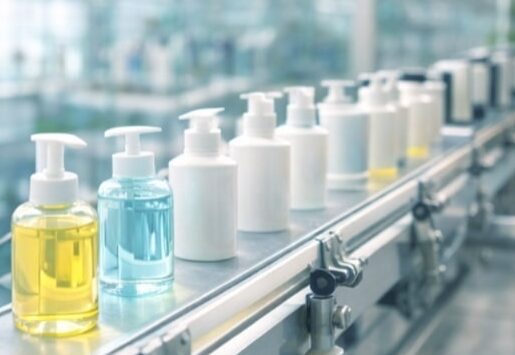
Manufacturing itself needs control:
-
Proper mixing
-
Temperature control
-
Viscosity matching
-
No rushing batches
If this is not done properly, the product might look fine initially but fail after some time in the market.
Quality control is where good brands separate themselves
Big brands survive because every batch behaves the same.
That happens only when:
-
Raw materials are checked
-
Process is followed the same way
-
Finished product is evaluated before filling
-
Batch records are maintained
Skipping QC saves money today but costs brand trust tomorrow.
Compliance is boring, but it saves brands
In India, cosmetic manufacturing is regulated.
A proper manufacturing unit takes care of:
-
Manufacturing license
-
GMP practices
-
Batch documentation
-
Proper labelling
As a brand owner, you don’t need your own manufacturing license if you’re working with a licensed unit.
Your job is to choose the right partner, not to manage paperwork yourself.
Can brands manufacture Garnier-level face wash quality in India?
Yes. Completely.
India has strong cosmetic manufacturing capability today.
What matters is not copying Garnier, but understanding:
-
Why their product feels reliable
-
Why customers don’t complain
-
Why scaling doesn’t break quality
That thinking can absolutely be applied to private label manufacturing.
How Tepals Formulations fits into this picture
Tepals Formulations works only as a manufacturing unit for brands, not as a consumer brand.
When brands come with references like Garnier or Cetaphil, the approach is simple:
-
Understand expected quality level
-
Use compliant, safe formulations
-
Manufacture under controlled conditions
-
Maintain batch consistency
-
Plan for scale from day one
The focus is not on shortcuts.
It’s on repeatable quality.
Scaling is where wrong manufacturers get exposed
Many manufacturers can make a good first batch.
Problems usually start when:
-
Volume increases
-
Demand becomes regular
-
Distribution expands
Texture changes, cost fluctuates, delays happen.
Brands like Garnier don’t face this because scalability is built into their manufacturing process from the start.
Private label brands need the same thinking.
Questions brand owners usually ask (straight answers)
Does Garnier manufacture for other brands?
No.
Can I launch a similar quality face wash under my own brand?
Yes, with the right manufacturing partner.
Do I need my own factory or license?
No, the manufacturer holds the license.
How much time does face wash manufacturing take?
Usually around 6–10 weeks.
Can I scale pan-India later?
Yes, if scale planning is done early.
Final thought
If you’re searching for garnier face wash manufacturer, what you actually need is not Garnier.
You need a manufacturer who understands:
-
Why products like Garnier work
-
How to maintain quality at scale
-
How to protect your brand long term
👉 Talk to Our Manufacturing Expert
or
👉 Request Manufacturing Quote
Clear conversation now saves big mistakes later.