Cetaphil Cleanser: Why It Works So Well for Skin — and How Brands Can Manufacture Similar Quality in India
When people search for Cetaphil cleanser, they are usually not confused.
They already trust the product.
Dermatologists recommend it.
People with sensitive skin swear by it.
But for brand owners, distributors, and founders, the interest is slightly different.
They start thinking:
-
What makes this cleanser so gentle?
-
Why does it work for most skin types?
-
Can a similar quality cleanser be manufactured in India?
-
Can I launch this type of product under my own brand?
This blog is written for that audience — people who see Cetaphil not just as a product, but as a benchmark.
Why Cetaphil Cleanser Became a Reference Point in Skincare
Cetaphil didn’t become popular because of aggressive marketing alone.
It worked because:
-
The formulation is simple and skin-friendly
-
It doesn’t strip the skin
-
It suits sensitive, acne-prone, and dry skin
-
It focuses on barrier support, not harsh cleansing
For Indian consumers especially, where weather, pollution, and skin sensitivity vary a lot, this approach makes sense.
And that’s exactly why many brands now want to create similar gentle cleanser products, adapted for Indian markets.
What Actually Makes a Cleanser Like Cetaphil Work
This is where many people misunderstand things.
It’s not about copying ingredients.
It’s about manufacturing philosophy.
A cleanser like Cetaphil works because:
-
The surfactant system is mild
-
The pH is skin-aligned
-
Foaming is controlled, not aggressive
-
The formula is stable over time
-
Every batch behaves the same
This level of consistency only comes from process discipline, not just formulation notes.
Manufacturing a Gentle Cleanser Is More Sensitive Than It Looks
From outside, a face cleanser looks simple.
From a manufacturing point of view, it’s actually sensitive.
During production, manufacturers must control:
-
Raw material quality
-
Mixing sequence
-
Temperature during blending
-
Final viscosity and texture
-
Microbial safety
One small shortcut can change how the cleanser feels on skin.
That’s why brands who rush manufacturing often fail to match the quality users expect from products like Cetaphil.
How Cleanser Manufacturing Works in India (Practical View)
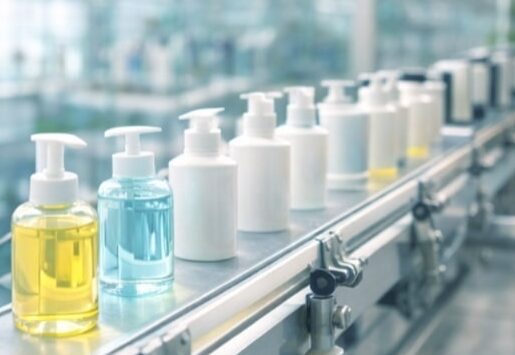
When a manufacturer produces a gentle cleanser similar in quality to Cetaphil, the process usually looks like this:
First, the brand’s requirement is clearly understood.
Who is the product for? Sensitive skin? Acne-prone? Daily use?
Then comes formulation selection — usually:
-
A proven, compliant base
-
Or a customised version keeping gentleness as priority
Raw materials are sourced from approved suppliers and checked before use.
This matters a lot in cleansers, because impurities directly affect skin response.
Manufacturing itself is done under controlled conditions:
-
Proper blending
-
Controlled temperature
-
No unnecessary aeration
-
Batch-wise consistency
After this, quality checks are done — not just visually, but for stability and safety.
Only then does the product move to filling and packaging.
Compliance Matters More Than Claims
One reason brands like Cetaphil survive long-term is compliance discipline.
In India, cosmetic manufacturing is regulated.
A good manufacturer ensures:
-
Licensed manufacturing facility
-
GMP-aligned practices
-
Proper batch documentation
-
Safe, allowed ingredients only
When brands try to “copy” products without respecting compliance, problems show up later — during distribution, audits, or expansion.
Can Brands Manufacture Cetaphil-Like Cleanser Quality in India?
Yes — if the manufacturer understands the process, not just the recipe.
India has strong cosmetic manufacturing capabilities today.
What matters is choosing a unit that:
-
Prioritises quality control
-
Understands sensitive-skin formulations
-
Maintains batch consistency
-
Plans for scale from the start
This is where private label and third-party manufacturing becomes powerful for brand owners.
How Tepals Formulations Approaches Gentle Cleanser Manufacturing
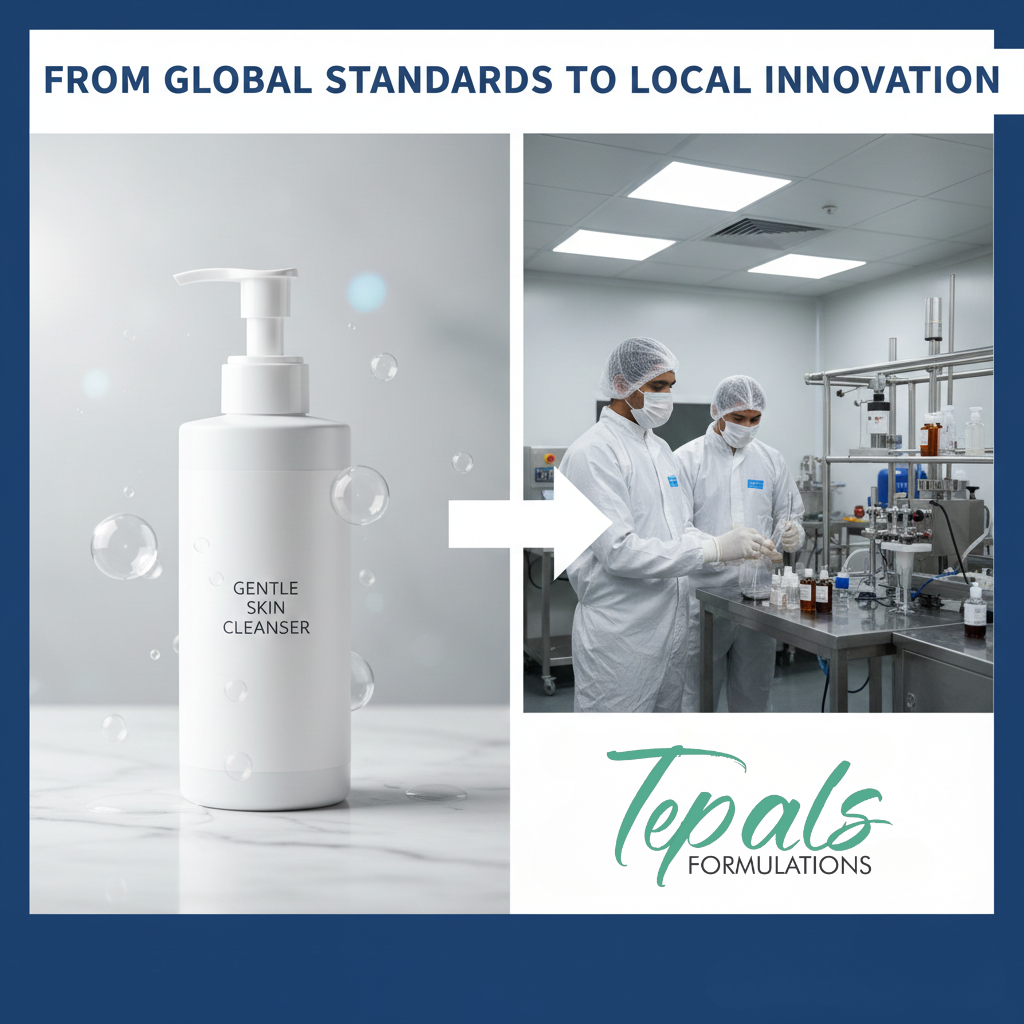
Tepals Formulations works as a manufacturing partner, not a competing brand.
When manufacturing cleanser products inspired by market benchmarks like Cetaphil, the focus stays on:
-
Mild, skin-friendly formulation approach
-
Controlled manufacturing conditions
-
Batch-wise quality checks
-
Compliance safety
-
Scalability for Indian and export markets
The idea is not to copy a brand — but to help other brands build trust at the product level.
Scalability Is Where Most Brands Struggle
Many manufacturers can make a good first batch.
But when volume increases:
-
Texture changes
-
Performance varies
-
Cost control becomes difficult
A cleanser like Cetaphil works because every bottle feels the same, year after year.
That level of repeatability only comes when scalability is planned from the beginning.
Questions Brand Owners Usually Ask
Can I launch a cleanser similar to Cetaphil under my own brand?
Yes, through private label or third-party manufacturing.
Is it legal to manufacture similar-quality products in India?
Yes, as long as formulations and claims are compliant.
Do I need my own manufacturing license?
No, the manufacturer holds the license.
How long does cleanser manufacturing take?
Usually 6–10 weeks depending on formulation and volume.
Can such products be scaled pan-India?
Yes, with proper quality and process control.
Thinking of Launching a Gentle Cleanser Brand?
If you’re inspired by products like Cetaphil and want to manufacture similar quality under your own brand, the next step is a real discussion — not assumptions.
👉 Talk to Our Manufacturing Expert
or
👉 Request Manufacturing Quote
Understand process, compliance, and scale before investing.